



Immunity Image

Boosting Immunity Through Nutrition, Lifestyle, and Supplements

Immunity is the body’s natural defense system that protects us from harmful germs, viruses, bacteria, and other infections. A strong immune system is essential for maintaining overall health and preventing illnesses. It works tirelessly to detect and fight off foreign invaders, ensuring that the body functions smoothly. There are two main types of immunity: innate immunity, which we are born with, and adaptive immunity, which develops over time through exposure to diseases or vaccines.

Factors like poor diet, stress, lack of sleep, and sedentary lifestyle can weaken immunity, making the body more vulnerable to infections. On the other hand, adopting healthy habits such as eating nutrient-rich foods, staying physically active, managing stress, and getting adequate sleep can naturally boost immunity. Understanding how immunity works and taking steps to strengthen it is crucial for leading a healthy life. Prioritizing immune system health can help you stay strong, energetic, and protected all year round.

Boost Immunity Now
Start My Digestive Reset
Get Digestive Relief

What is Immunity?

Immunity is the body’s complex defense system that protects against harmful pathogens such as bacteria, viruses, fungi, and other foreign substances. It acts as the body’s natural shield, identifying and neutralizing threats to maintain overall health. Essentially, immunity determines how well the body can defend itself from infections and recover from illnesses. There are two main types of immunity: innate immunity and adaptive immunity.

Innate immunity is the first line of defense we are born with, including physical barriers like skin, mucous membranes, and specialized cells that attack invaders immediately. Adaptive immunity, on the other hand, develops over time when the body encounters specific pathogens or through vaccinations. This type of immunity “remembers” past infections, enabling a faster and stronger response in the future.

Several factors influence immunity, including age, genetics, nutrition, lifestyle, stress levels, and exposure to environmental toxins. A weakened immune system can increase susceptibility to frequent infections, slow recovery, and even chronic diseases. Conversely, a strong and well-functioning immune system helps maintain energy, supports overall wellness, and reduces the risk of illness.

Understanding what immunity is and how it works is crucial for taking proactive steps to support and enhance the body’s natural defenses. By adopting healthy habits and maintaining immune system health, individuals can improve resilience against diseases and maintain a higher quality of life.
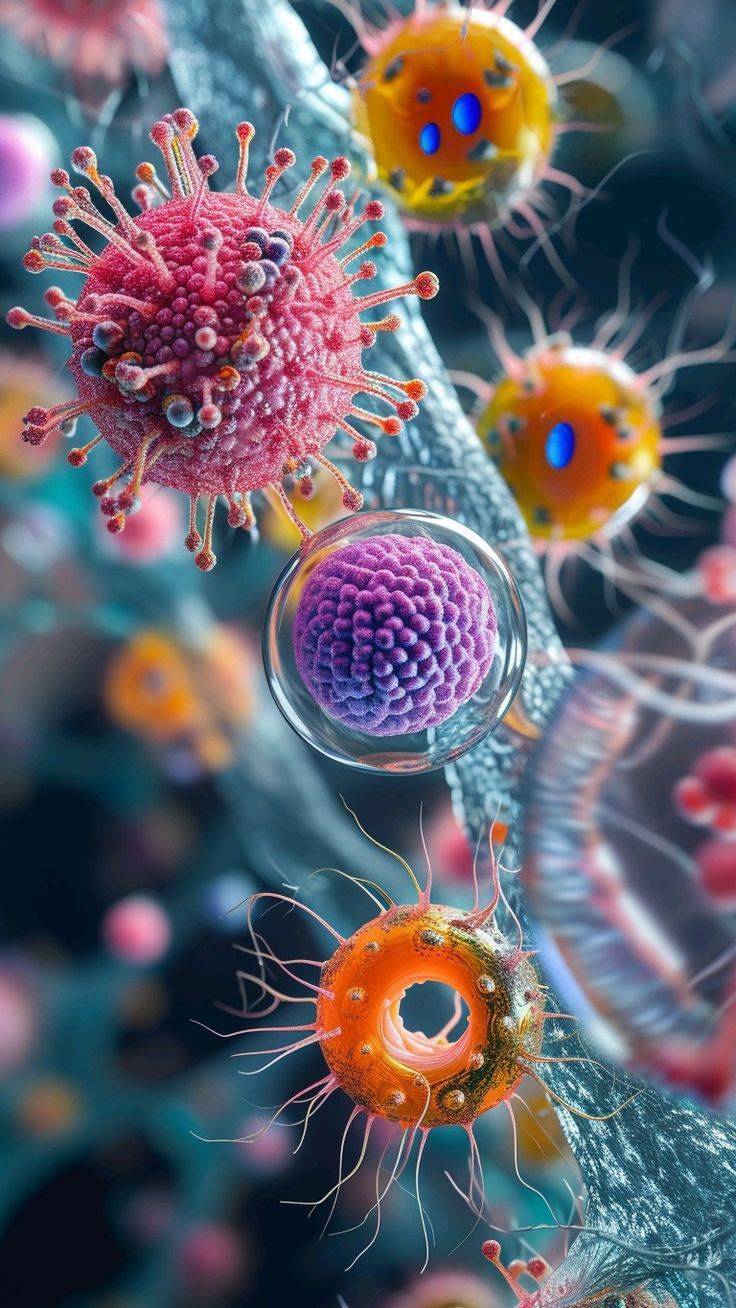

Immunity-web

How the Immune System Works

The immune system is a complex network of cells, tissues, and organs that work together to protect the body from harmful invaders, making immunity a vital part of overall health. When foreign substances like bacteria, viruses, or toxins enter the body, the immune system springs into action to detect, neutralize, and eliminate these threats. This defense system operates through two main mechanisms: innate immunity and adaptive immunity.

Innate immunity provides immediate, non-specific protection using barriers such as the skin, mucous membranes, and specialized white blood cells that attack invaders right away. Adaptive immunity, however, is more specialized. It identifies specific pathogens, produces antibodies, and “remembers” these invaders, ensuring a faster and stronger response if the same threat appears again.

Key components of the immune system include white blood cells, antibodies, the lymphatic system, and various organs like the spleen and thymus. These elements communicate constantly to detect threats and coordinate the body’s response. Factors such as nutrition, sleep, stress levels, and physical activity play a significant role in maintaining immune function.

A strong immune system boosts overall health, helps prevent infections, and supports faster recovery from illness. By understanding how immunity works, individuals can adopt lifestyle habits and dietary practices that strengthen their natural defenses, ensuring long-term protection and well-being.

Immunity-web

Common Factors That Weaken Immunity

Immunity is essential for keeping the body healthy and protected against infections and diseases. However, several factors can weaken the immune system, making the body more vulnerable to illnesses. Understanding these factors is crucial for maintaining strong immunity and overall wellness.


1. Poor Nutrition: A diet lacking essential vitamins and minerals, such as vitamin C, vitamin D, zinc, and antioxidants, can significantly impair immunity. Processed foods, excessive sugar, and unhealthy fats can also reduce the body’s ability to fight infections.


2. Lack of Sleep: Sleep is critical for the immune system. Inadequate or poor-quality sleep can lower the production of infection-fighting cells and antibodies, making it harder for the body to respond to harmful pathogens.


3. Chronic Stress: High levels of stress trigger the release of cortisol, a hormone that can suppress immune function over time. Chronic stress increases susceptibility to infections and slows down recovery from illnesses.


4. Sedentary Lifestyle: Lack of physical activity can weaken immunity. Regular exercise improves circulation, reduces inflammation, and enhances the ability of immune cells to detect and fight infections effectively.


5. Age and Health Conditions: Aging naturally weakens immunity, and chronic diseases like diabetes, heart disease, or autoimmune disorders can further compromise the immune system’s effectiveness.


6. Environmental Toxins and Poor Hygiene: Exposure to pollutants, chemicals, and unsanitary conditions can overwhelm the immune system, making it less capable of defending the body.


By recognizing these common factors and taking proactive steps such as eating a balanced diet, exercising regularly, managing stress, and maintaining good hygiene, individuals can strengthen their immunity and stay healthier year-round.

Top Foods to Boost Immunity Naturally

Maintaining strong immunity is essential for overall health, and one of the most effective ways to enhance your body’s natural defenses is through a nutrient-rich diet. Certain foods provide essential vitamins, minerals, and antioxidants that strengthen the immune system, helping the body fight infections and stay healthy. Incorporating these immunity-boosting foods into your daily meals can significantly improve your immune function and overall well-being.

1. Citrus Fruits: Fruits like oranges, lemons, grapefruits, and limes are rich in vitamin C, which stimulates the production of white blood cells, essential for fighting infections. Regular consumption of citrus fruits helps enhance immunity naturally.

2. Garlic: Garlic contains compounds like allicin, known for their immune-boosting and antibacterial properties. Including garlic in your diet can help strengthen immunity and protect against common illnesses.

3. Ginger: Ginger has powerful anti-inflammatory and antioxidant effects. It can help improve immune responses, reduce inflammation, and support overall immune health.

4. Yogurt and Probiotics: Probiotic-rich foods such as yogurt, kefir, and fermented foods improve gut health, which is closely linked to immune function. A healthy gut supports the production of immune cells and antibodies.

5. Nuts and Seeds: Almonds, walnuts, and sunflower seeds are excellent sources of vitamin E and healthy fats that support immunity and protect the body from oxidative stress.

6. Leafy Greens and Vegetables: Spinach, broccoli, kale, and other green vegetables are packed with vitamins, minerals, and antioxidants that enhance immune system function and overall health.

Incorporating these top foods into your diet can naturally strengthen immunity, reduce the risk of infections, and promote long-term wellness. A balanced, nutrient-rich diet is a simple yet powerful way to support your body’s natural defenses.

Immunity-web

Lifestyle Habits for a Strong Immune System

Maintaining strong immunity is essential for overall health, and one of the most effective ways to support the immune system is through a balanced and nutrient-rich diet. Certain foods are packed with vitamins, minerals, antioxidants, and other compounds that enhance immunity, helping the body fight infections and stay healthy. Incorporating these foods into daily meals can provide long-term benefits for immune system strength.

1. Citrus Fruits : Citrus fruits such as oranges, lemons, limes, and grapefruits are rich in vitamin C, a vital nutrient that boosts the production of white blood cells, which are key to fighting infections. Regular consumption of citrus fruits can help reduce the severity and duration of illnesses.

2. Garlic: Garlic contains compounds like allicin that have antibacterial and antiviral properties. It strengthens immunity by activating white blood cells and improving the body’s response to pathogens.

3. Leafy Green Vegetables: Spinach, kale, and broccoli are loaded with vitamins A, C, and E, as well as antioxidants that protect immune cells from damage. These vegetables support overall immune function and help maintain a healthy inflammatory response.

4. Yogurt and Probiotics: Probiotics found in yogurt, kefir, and fermented foods improve gut health, which is closely linked to immunity. A healthy gut microbiome enhances the body’s ability to fight infections effectively.

5. Nuts and Seeds: Almonds, walnuts, sunflower seeds, and flaxseeds provide vitamin E, zinc, and healthy fats, which are essential for optimal immune function and cell protection.

6. Berries: Blueberries, strawberries, and raspberries are rich in antioxidants and flavonoids, which reduce oxidative stress and support the immune system.

7. Ginger and Turmeric: These spices have anti-inflammatory and immune-boosting properties that can help the body combat infections and support overall health.

By regularly including these immunity-boosting foods in your diet, you can strengthen your natural defenses, reduce the risk of infections, and maintain overall wellness. Eating a variety of nutrient-dense foods, combined with a healthy lifestyle, ensures that your immune system remains strong and resilient throughout the year.

Role of Supplements in Supporting Immunity

Supplements play a significant role in supporting immunity, especially when the body does not get enough essential nutrients from diet alone. Immunity depends on a balanced intake of vitamins, minerals, and other nutrients, and supplements can help fill nutritional gaps to strengthen the body’s natural defenses. Key nutrients that support immune health include vitamin C, vitamin D, zinc, selenium, and probiotics. Vitamin C is known for enhancing the production of white blood cells, which are crucial for fighting infections. Vitamin D helps regulate immune responses and can reduce the risk of respiratory infections. Zinc supports the function of immune cells and helps the body respond efficiently to pathogens.

Probiotics are another important supplement that promotes gut health, which is closely linked to immunity. A healthy gut microbiome enhances the body’s ability to fight infections, reduce inflammation, and absorb essential nutrients effectively. Herbal supplements such as echinacea, elderberry, and turmeric also provide antioxidant and anti-inflammatory benefits that can enhance immune function.

While supplements can support immunity, it is essential to use them responsibly and in combination with a healthy lifestyle, including proper nutrition, regular exercise, stress management, and adequate sleep. They are not a replacement for a balanced diet but serve as an additional boost to maintain strong immunity. Incorporating the right supplements into daily routines can help improve immune system resilience, reduce susceptibility to illnesses, and promote overall health and well-being.

Myths and Facts About Immunity

Understanding immunity is essential for maintaining good health, but there are many misconceptions that can lead to confusion about how the immune system works. Separating myths from facts helps individuals take the right steps to support their immune system effectively. Here are some common myths and the truths behind them.

Myth 1: Cold Weather Weakens Immunity
Many people believe that cold weather alone can make you sick. In reality, immunity is not directly affected by temperature. However, cold weather may increase exposure to viruses indoors, which is why infections can seem more common in winter.

Myth 2: Supplements Alone Can Build Immunity
While vitamins and supplements support immune function, they cannot replace a healthy diet and lifestyle. True immunity comes from a combination of balanced nutrition, exercise, sleep, and stress management.

Myth 3: Stress Doesn’t Affect Immunity
Chronic stress actually weakens the immune system by increasing cortisol levels, which can reduce the body’s ability to fight infections. Managing stress is essential for maintaining strong immunity.

Myth 4: Frequent Handwashing Isn’t Important
Good hygiene is a critical part of supporting immunity. Handwashing helps prevent infections from entering the body, reducing the burden on the immune system.

Fact: Lifestyle Choices Shape Immunity
Healthy eating, regular exercise, adequate sleep, stress management, and vaccination all strengthen immunity. These habits provide long-term protection and improve the body’s natural defenses.

By understanding the facts and dispelling common myths, individuals can make informed decisions to strengthen their immune system naturally, stay healthy, and prevent illness effectively.

When to Consult a Doctor

Understanding your immunity and knowing when to seek medical advice is crucial for maintaining overall health. While a strong immune system can protect the body from infections, a weakened or compromised immune system may leave you more vulnerable to illnesses. Consulting a doctor is important if you experience frequent infections, slow recovery from common illnesses, or persistent fatigue, as these may indicate underlying immune system issues.

Certain warning signs should prompt immediate medical attention. These include recurrent colds, flu, or other infections that are unusually severe or prolonged, unexplained weight loss, persistent fever, swollen lymph nodes, or frequent skin infections. Chronic conditions such as diabetes, autoimmune diseases, or ongoing stress can also affect immunity, making professional guidance essential.

A healthcare provider can assess your immune health through physical examinations, blood tests, and medical history, and provide personalized advice on diet, lifestyle, or supplements to improve immunity. Vaccinations may also be recommended to strengthen immune defenses. Taking proactive steps to monitor and support immunity, combined with regular medical check-ups, ensures that your immune system remains strong and responsive. Seeking timely medical advice helps prevent serious infections, supports faster recovery, and promotes long-term health and well-being.

Conclusion

Immunity is the body’s natural defense system, playing a vital role in protecting against infections, viruses, and harmful pathogens. Maintaining strong immunity is essential for overall health, energy, and well-being. A balanced diet rich in vitamins and minerals, regular exercise, adequate sleep, stress management, and good hygiene are key factors that support and enhance immune function. Including immunity-boosting foods like citrus fruits, leafy greens, nuts, seeds, and probiotic-rich foods can significantly strengthen the body’s defenses.

Supplements can also play a supportive role, especially when dietary intake is insufficient, helping to provide essential nutrients like vitamin C, vitamin D, zinc, and probiotics. Understanding common myths and facts about immunity allows individuals to make informed choices and adopt habits that truly benefit their immune system.

By prioritizing immunity through healthy lifestyle choices, proper nutrition, and timely medical guidance, you can reduce the risk of illness, recover faster from infections, and enjoy a more energetic and resilient life. Strong immunity is not just about fighting diseases—it is the foundation of long-term health and vitality.

FAQs About Immunity

1. What is immunity?

Immunity is the body’s natural defense system that protects against harmful pathogens like viruses, bacteria, and toxins. It involves a network of cells, tissues, and organs that detect and neutralize threats, ensuring overall health and proper body function.


2. How does immunity work?

Immunity works through two main mechanisms: innate immunity, which provides immediate defense, and adaptive immunity, which “remembers” pathogens for faster response in the future. White blood cells, antibodies, and other immune components coordinate to fight infections effectively.


3. What are the types of immunity?

The two primary types are innate immunity, which is present at birth, and adaptive immunity, which develops over time through exposure to infections or vaccines. Both types work together to maintain strong immunity.


4. Why is immunity important?

Immunity protects the body from illnesses, reduces infection risk, and supports faster recovery. Strong immunity also enhances energy, overall wellness, and resilience against environmental threats.


5. What factors weaken immunity?

Poor diet, lack of sleep, chronic stress, sedentary lifestyle, aging, and certain health conditions can weaken immunity, making the body more vulnerable to infections and diseases.


6. Can diet improve immunity?

Yes. A balanced diet rich in vitamins, minerals, antioxidants, and proteins boosts immunity. Foods like citrus fruits, leafy greens, nuts, seeds, and probiotic-rich items strengthen the body’s natural defenses.


7. Do supplements help immunity?

Supplements like vitamin C, vitamin D, zinc, selenium, and probiotics can support immunity, especially when dietary intake is insufficient. They enhance immune cell function and improve overall defense mechanisms.


8. How does stress affect immunity?

Chronic stress increases cortisol levels, which can suppress immune function. Managing stress through meditation, yoga, and relaxation techniques is essential for maintaining strong immunity.


9. Does sleep affect immunity?

Yes. Lack of sleep weakens immunity by reducing the production of infection-fighting cells and antibodies. Adequate sleep is crucial for optimal immune system performance.


10. How does exercise influence immunity?

Regular moderate exercise improves blood circulation, reduces inflammation, and enhances immune cell activity, which collectively strengthen immunity and lower the risk of infections.


11. Can immunity prevent infections completely?

While strong immunity reduces the risk of infections and helps the body recover faster, it cannot guarantee complete protection. Vaccinations and hygiene practices are also essential to support immunity.


12. Are immunity boosters safe for everyone?

Most immunity boosters are safe when taken as recommended. However, individuals with chronic illnesses, allergies, or on medication should consult a doctor before using supplements.


13. How do vaccines support immunity?

Vaccines stimulate adaptive immunity by exposing the body to harmless components of pathogens. This “teaches” the immune system to recognize and fight the actual infection effectively.


14. What role do antioxidants play in immunity?

Antioxidants protect immune cells from damage caused by free radicals. Foods rich in antioxidants, such as berries, nuts, and vegetables, help maintain strong immunity.


15. Does immunity decline with age?

Yes. Aging naturally reduces immune response, making older adults more susceptible to infections. A healthy lifestyle, proper nutrition, and vaccinations can help support immunity in older age.


16. Can hydration affect immunity?

Staying hydrated supports overall body functions, including immunity. Proper water intake helps transport nutrients, remove toxins, and maintain the efficiency of immune cells.


17. How does gut health affect immunity?

A healthy gut microbiome enhances immunity by supporting the development and function of immune cells. Probiotics and fiber-rich foods improve gut health and strengthen immunity.


18. Can chronic diseases weaken immunity?

Yes. Conditions like diabetes, heart disease, and autoimmune disorders compromise immune function, increasing the risk of infections and slowing recovery.


19. Are herbal remedies effective for immunity?

Herbal remedies like echinacea, ginger, turmeric, and elderberry may have immune-supporting properties. They provide antioxidants and anti-inflammatory benefits that enhance immunity naturally.


20. How can hygiene support immunity?

Good hygiene, including handwashing and safe food handling, reduces exposure to pathogens, thereby lowering the burden on the immune system and supporting immunity.